Equilibrium Effect in South Africa and Czech Republic Conflict | World Cup 2026
South Africa and Czech Republic played to a 1-1 draw in the World Cup. Highlights include the Czech team's aggressive start, the failed defensive scheme, South Africa's progress and the challenging future for both teams.
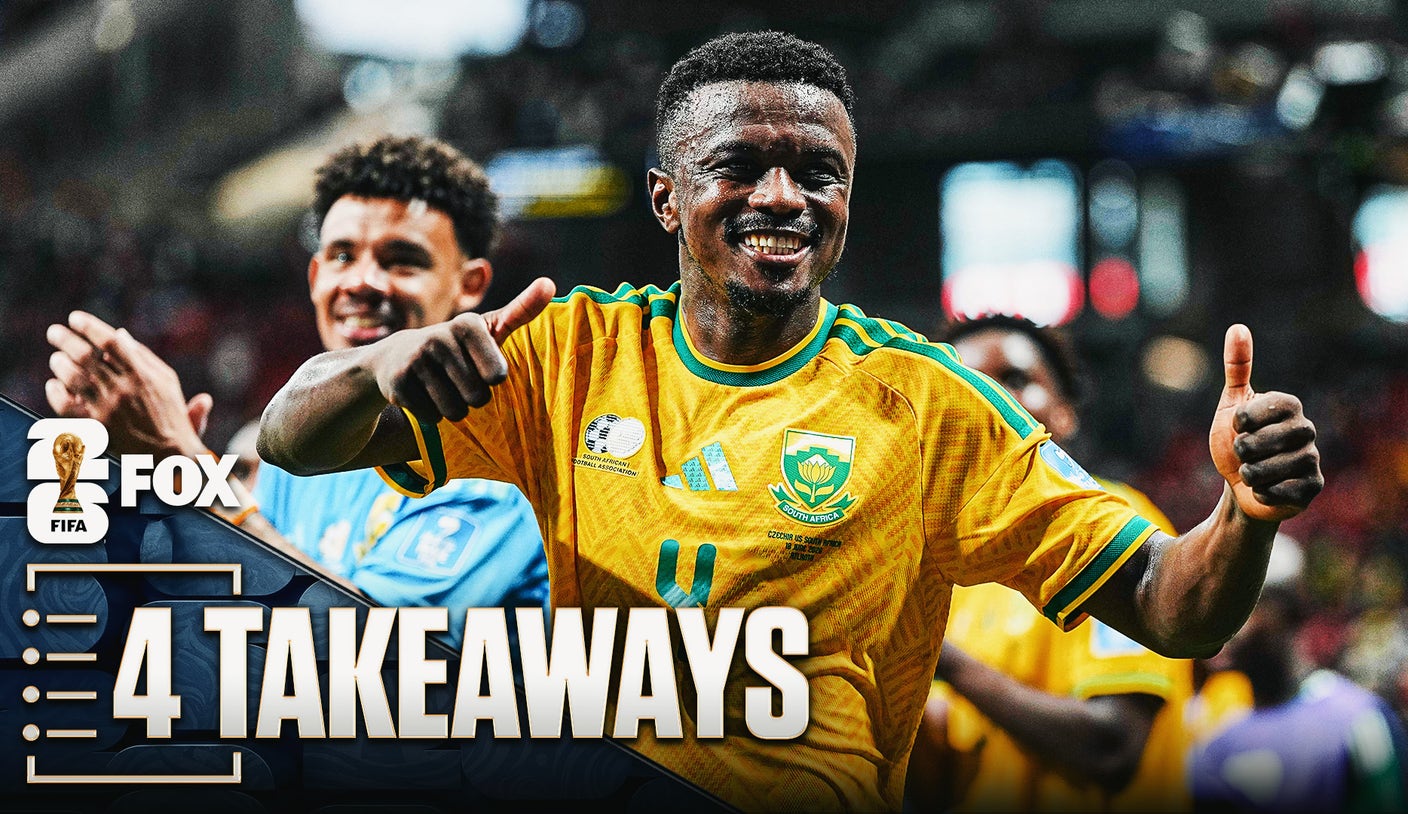
South Africa and Czech Republic played to a 1-1 draw in Group A of the 2026 FIFA World Cup. The match turned out to be a disappointment for both the teams as they failed to get the expected results and put in their best performances.
The second half for the Czech team was more shocking, where they took a defensive attitude while leading 1-0. The team's approach was flawed, and ultimately they failed to create pace-setting opportunities. South Africa have had their worst performance in international cup history, but this draw may be a small improvement for them.
The four main features of the competition are:
- Intensity of the Czech team's opening event
Czech coach Miroslav Koupek played more freely in the match against South Africa. They used a 3-5-2 formation in the first half, which saw them score their first goal.
- Kaubeck's Failed Complexity Approach
After the Czech team took the lead, they switched to a safer approach, which ultimately proved to be a mistake. South Africa scored a penalty in the 82nd minute to equalise.
- South Africa stepped up in the game
South Africa is trying to win the World Cup for the third time. They caused more confusion in the final 20 minutes but couldn't get the win in the end.
- The future is challenging
Both teams have 1 point and need to win the next match. The upcoming matches for South Africa and Czech are crucial and it remains to be seen what they will do to progress.
Related Articles
தொடர்புடைய கட்டுரைகள்
Teams
Players
Leagues